Archives
- 2026-08
- 2026-07
- 2026-06
- 2026-05
- 2026-04
- 2026-03
- 2026-02
- 2026-01
- 2025-12
- 2025-11
- 2025-10
- 2025-09
- 2025-04
- 2025-03
- 2025-02
- 2025-01
- 2024-12
- 2024-11
- 2024-10
- 2024-09
- 2024-08
- 2024-07
- 2024-06
- 2024-05
- 2024-04
- 2024-03
- 2024-02
- 2024-01
- 2023-12
- 2023-11
- 2023-10
- 2023-09
- 2023-08
- 2023-07
- 2023-06
- 2023-05
- 2023-04
- 2023-03
- 2023-02
- 2023-01
- 2022-12
- 2022-11
- 2022-10
- 2022-09
- 2022-08
- 2022-07
- 2022-06
- 2022-05
- 2022-04
- 2022-03
- 2022-02
- 2022-01
-
From a clinical utility standpoint this study showed
2023-11-16
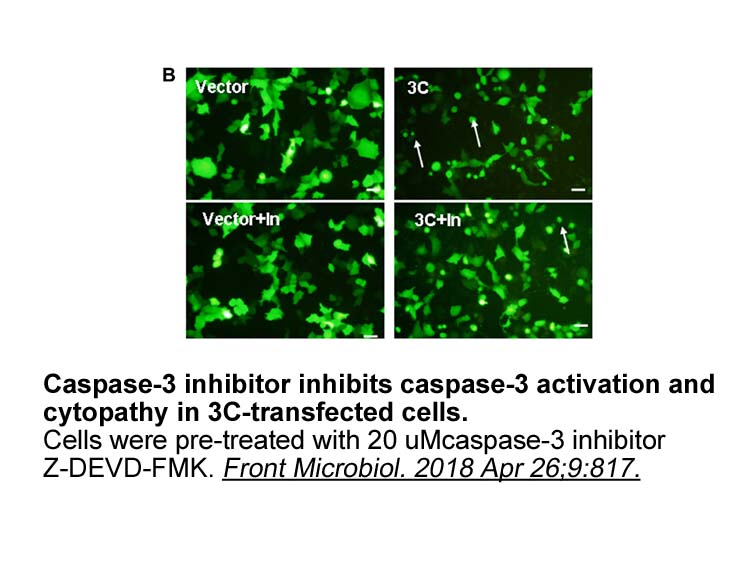
From a clinical utility standpoint, this study showed that AR can be useful in the GATA3-positive tumor of unknown origin setting. Epidemiologically, in this setting, the top 2 diagnoses in the differential diagnosis are metastatic carcinoma of breast origin or urothelial origin [18]. Seven out of 1
-
br Results and discussion In order to investigate
2023-11-16
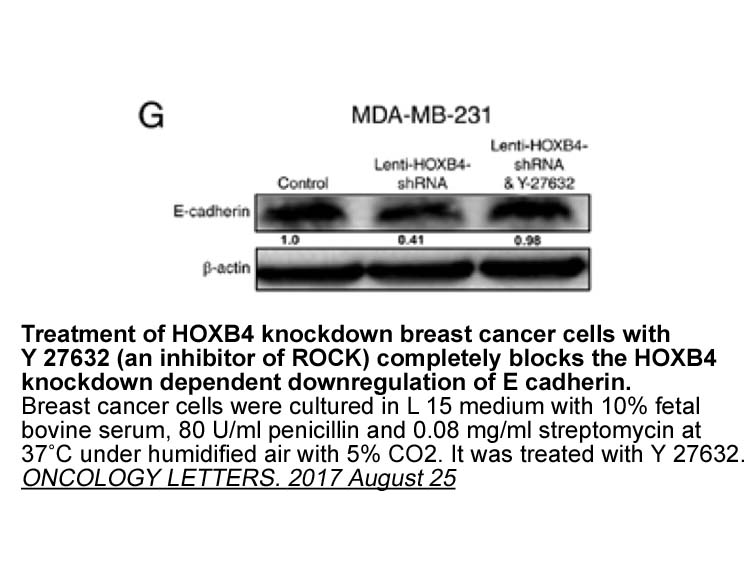
Results and discussion In order to investigate the assembly dynamics and aggregate structures of Aβ16-22, twelve molecular systems with the number of peptides varying from 1 to 12 were studied. In all simulations, the same peptide concentration (~15 mM) was maintained by adjusting the dimensions
-
Fig A shows a schematic
2023-11-16
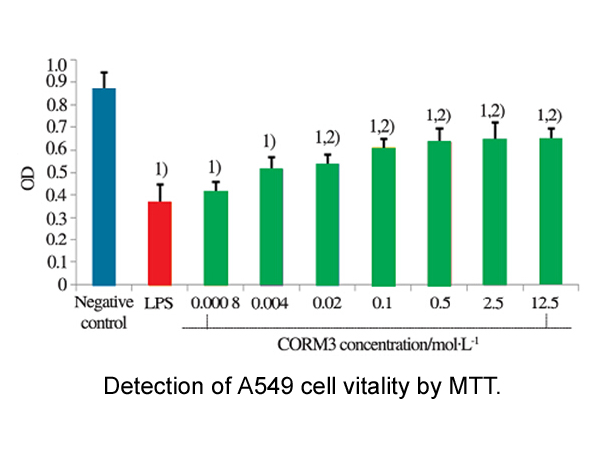
Fig. 2A shows a schematic representation of histological results according to the Franklin and Paxinos Mouse Brain Atlas (2001). The black circles represent the sites of drug infusion that were on-target within the amygdala. Gray circles represent the animals that had infusion locations outside the
-
Our in vitro data show that
2023-11-16
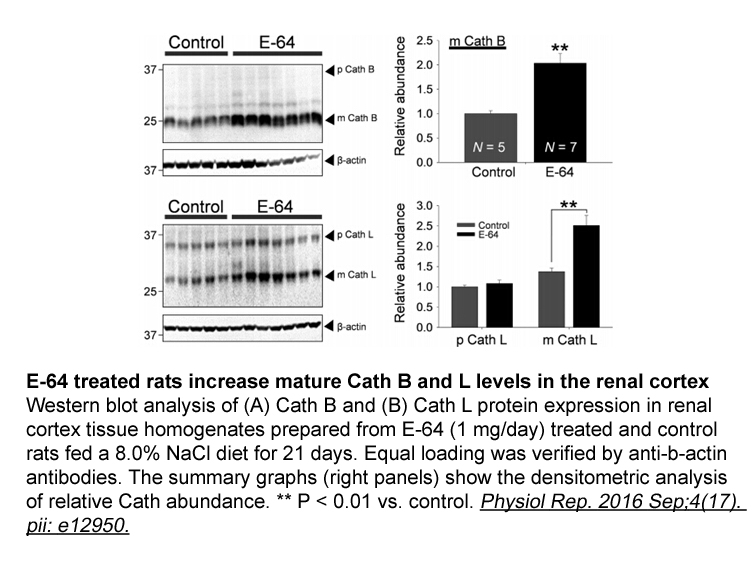
Our in vitro data show that CyaA does not play a critical role in the bacterial adherence to mammalian cells. This observation is in contrast to previous studies that reported a role for CyaA in FHA-mediated adherence of B. pertussis bacteria to the respiratory epithelial 1423 [37,38]. This discrep
-
AdK as an important upstream
2023-11-16
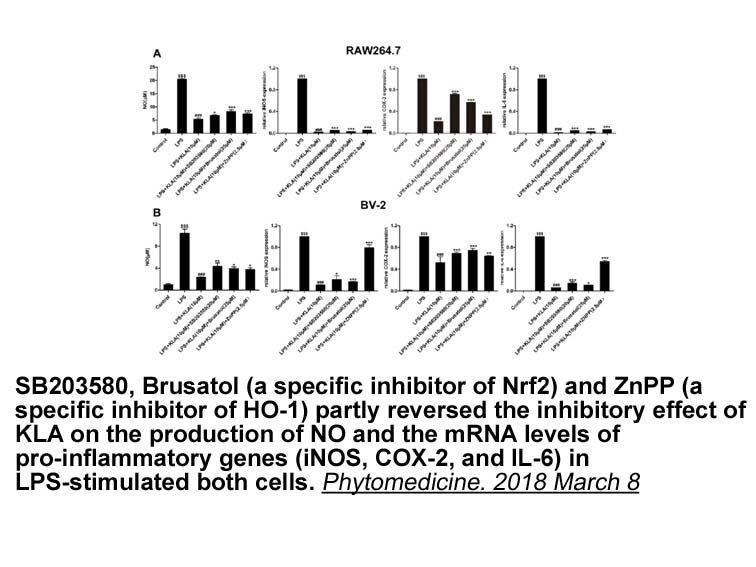
AdK as an important upstream regulator of adenosine-based homeostasis represents a promising drug target since it leads to an increase in adenosine concentrations. Taking into account that the adenosine formation is only increased in affected tissues under stress with high adenosine levels, AdK inhi
-
In the olfactory bulb expression was especially
2023-11-16
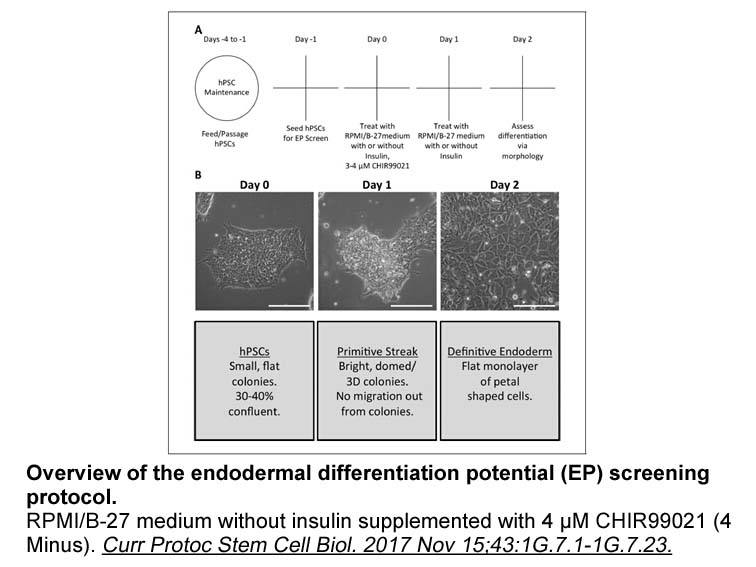
In the olfactory bulb, expression was especially prominent in the mitral cell layer from embryonic stages to adult tissues (Figs. 1D–G). By E14–E16, Ack1 signal was remarkably intense in the proliferative ventricular zone (Fig. 1D). From E18 to adult, expression was also observed in glomerular and g
-
Introduction The first use of the term
2023-11-15
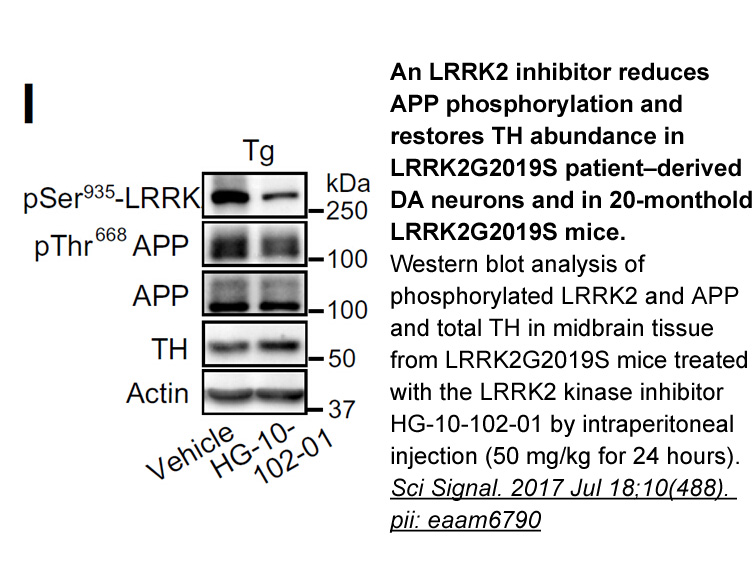
Introduction The first use of the term “autophagy” by a French physiologist, M. Anselmier, in a short article describing the effects of fasting in mice published in 1859, took place almost a century before Christian De Duve described it from a mechanistic point of view in a symposium on lysosomes i
-
lidocane The acidification of endocytic compartments is clos
2023-11-15
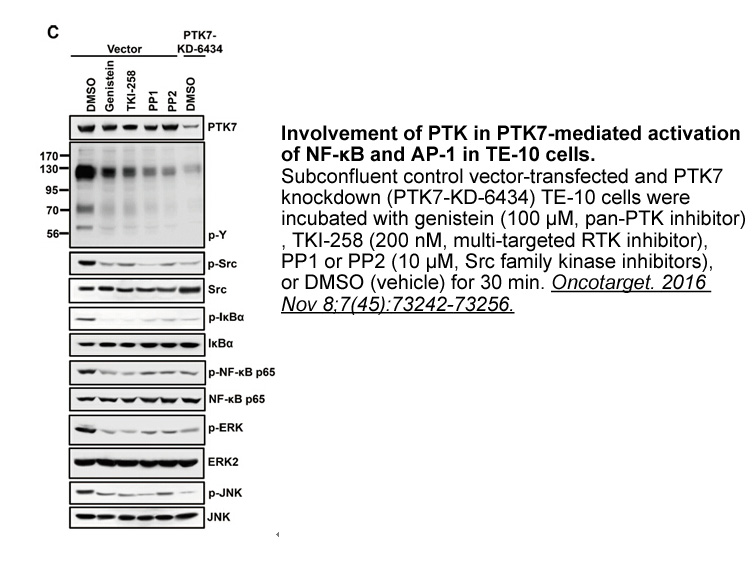
The acidification of endocytic compartments is closely related to endocytic activity, although the mechanism linking acidification and membrane dynamics is largely unknown. In a recent RNA interference (RNAi)-based screen, V-ATPase depletion blocked the formation of clathrin-coated vesicles, an effe
-
Given the recent discovery of regions of single stranded
2023-11-15
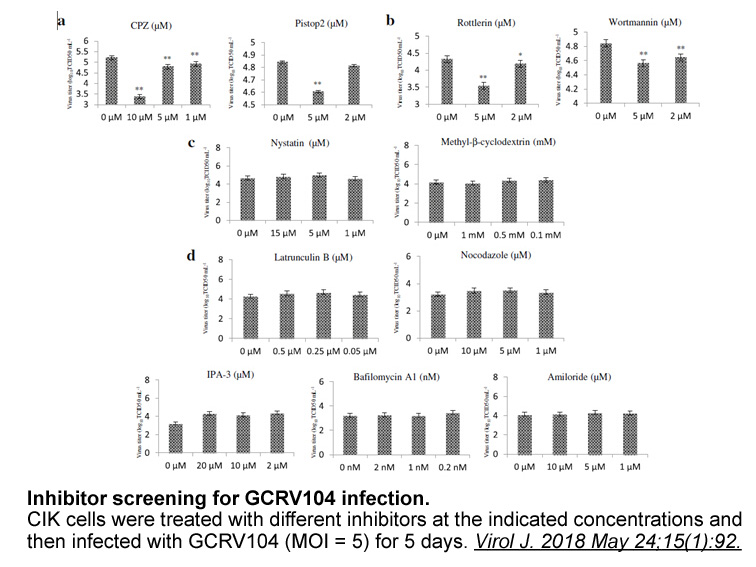
Given the recent discovery of regions of single-stranded DNA in the nuclei of hypoxic cells, the role for ATR in the response to hypoxic stress seems clearer . Zou and Elledge demonstrated that both Ddc 2 (the homolog of ATRIP) and ATRIP have a lower affinity for double-strand breaks than they do f
-
Analysis of ASK crystal structures
2023-11-15

Analysis of ASK1 crystal structures as well as an investigation of how Bay 11-7085 mg 4 might bind were undertaken to understand opportunities for engaging Gln756. To this end a docking model derived from PDB 3VW622 was used to predict the binding mode of amide 4 in the ASK1 active site as shown in
-
Phenolic compounds show reciprocal relationship with colonic
2023-11-15

Phenolic compounds show reciprocal relationship with colonic microflora. Phenolic compounds are able to improve colonic health and modulate microbiota diversity with prebiotic and antimicrobial functions, while colonic bacterial enzymes catalyze deconjugation, dehydroxylation, and convert phenolic c
-
br Acknowledgement br Introduction Estrogens play an importa
2023-11-15

Acknowledgement Introduction Estrogens play an important role in the development and progression of breast cancer (McGuire et al., 1976; Clemons and Goss, 2001). 17β-Estradiol (E2), the most biologically active estrogen in breast tissue, functions via its nuclear receptors, estrogen receptor (
-
br Technical Note Fungal spoilage
2023-11-15
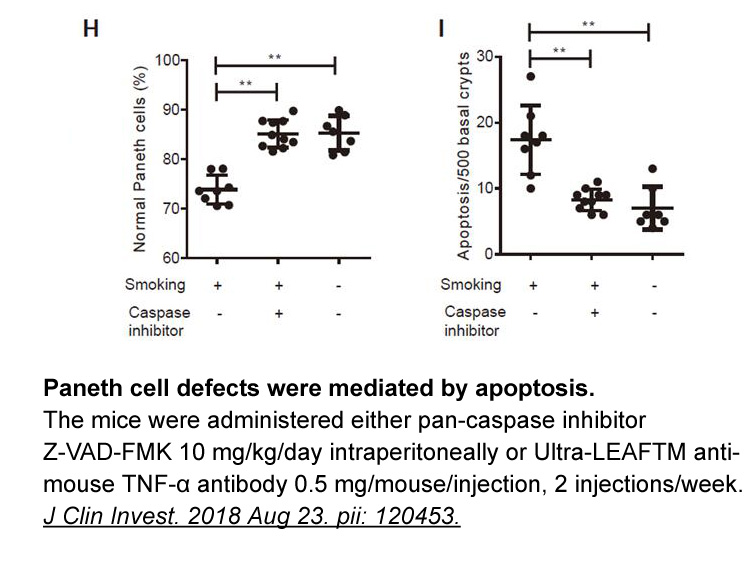
Technical Note Fungal spoilage of dairy products remains a major concern for dairy manufacturers despite the use of preventive and control approaches, including the use of chemical preservatives. Among methods that are increasingly used by industries for microbial contaminant control, biopreserva
-
The first evidence in supporting the
2023-11-15
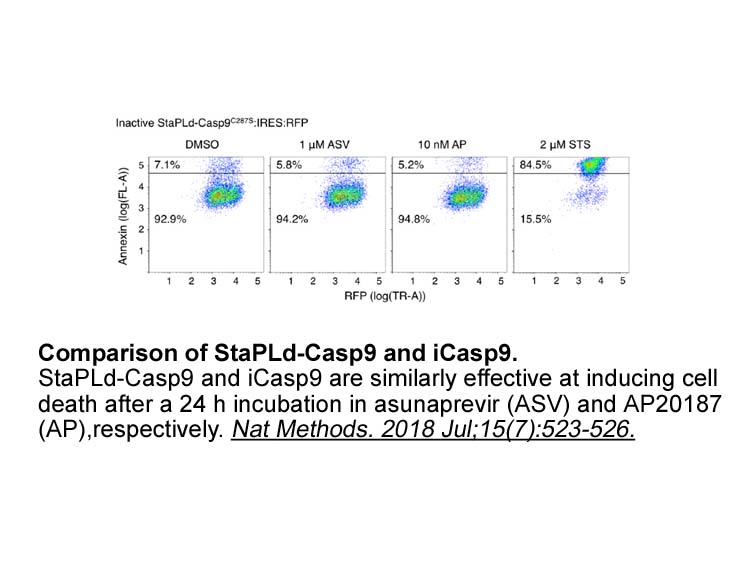
The first evidence in supporting the hypothesis that MAS receptors mediate the effects elicited by AT1 antagonists was provided by Iwai et al. (2012). The authors found that AT1 receptors triggers neointima formation after polyethylene-cuff placement around mouse femoral artery by reducing local ACE
-
No starting dose adjustment is needed for mild or moderate
2023-11-15
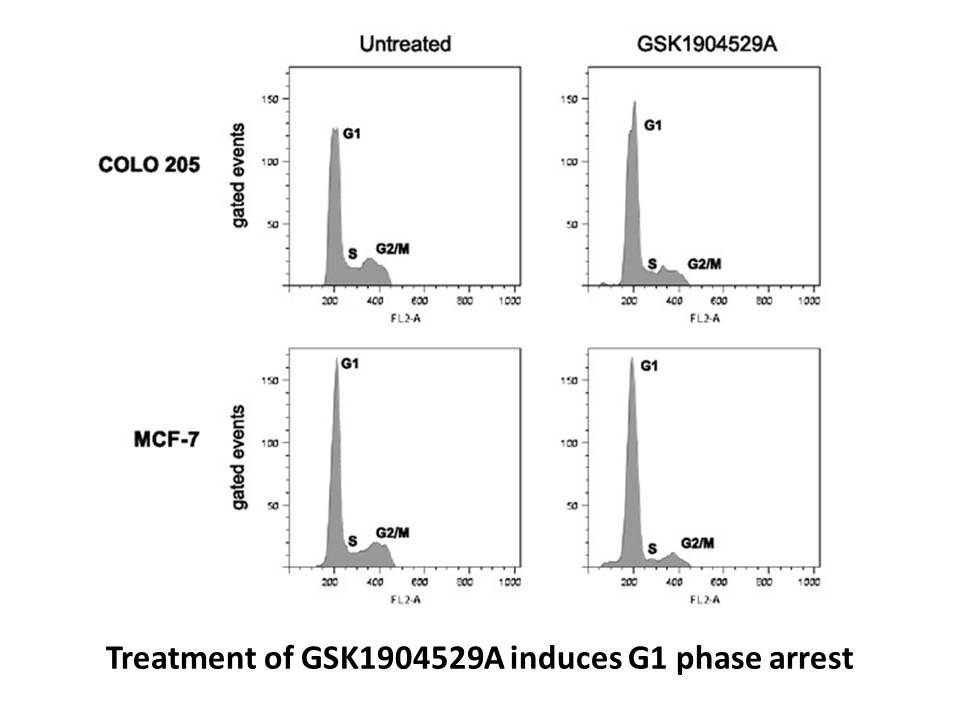
No starting dose adjustment is needed for mild or moderate renal impairment and mild hepatic impairment (Child-Pugh A classification) though use in patients with severe hepatic impairment (Child-Pugh classification Class C, 10–15 points score) is not recommended.8, 9, 10, 13 Drug interaction & ad
7885 records 269/526 page Previous Next First page 上5页 266267268269270 下5页 Last page