Archives
- 2026-08
- 2026-07
- 2026-06
- 2026-05
- 2026-04
- 2026-03
- 2026-02
- 2026-01
- 2025-12
- 2025-11
- 2025-10
- 2025-09
- 2025-04
- 2025-03
- 2025-02
- 2025-01
- 2024-12
- 2024-11
- 2024-10
- 2024-09
- 2024-08
- 2024-07
- 2024-06
- 2024-05
- 2024-04
- 2024-03
- 2024-02
- 2024-01
- 2023-12
- 2023-11
- 2023-10
- 2023-09
- 2023-08
- 2023-07
- 2023-06
- 2023-05
- 2023-04
- 2023-03
- 2023-02
- 2023-01
- 2022-12
- 2022-11
- 2022-10
- 2022-09
- 2022-08
- 2022-07
- 2022-06
- 2022-05
- 2022-04
- 2022-03
- 2022-02
- 2022-01
-
Adenosine can modulate neutrophil bactericidal functions
2024-05-22
Adenosine can modulate neutrophil bactericidal functions. A dual regulatory effect has been reported for adenosine on phagocytosis. Indeed, the activation of A1 receptors augments this process, while the stimulation of A2A receptors was found to reduce the phagocytic activity of neutrophils [89]. In
-
br Conflict of interest br Ethics
2024-05-22
Conflict of interest Ethics committee Introduction Severe combined immunodeficiency due to adenosine deaminase deficiency (ADA-SCID) is characterized by impaired function and differentiation of T, B, and natural killer (NK) cells. Non-immunological abnormalities may also occur, including fa
-
MicroRNA miRNA is an abundant group of small nucleotide nonc
2024-05-22
MicroRNA (miRNA) is an abundant group of small (22-nucleotide) noncoding RNA molecules that directly binds with 3′ untranslated region (UTR) of target messenger RNAs (mRNAs) to regulate gene expression, playing an important role in variety of biological processes including cell proliferation, apopto
-
Using constant potential amperometry and electrochemical enz
2024-05-22
Using constant potential amperometry and electrochemical enzyme-based biosensors selective for choline—and, therefore, an accurate readout of SKL2001 release (Baker et al., 2015; Bruno et al., 2006a; Parikh et al., 2004, 2007)—tonic and phasic release of acetylcholine were measured simultaneously i
-
Finally we show that the optimal corporate tax rate is
2024-05-22
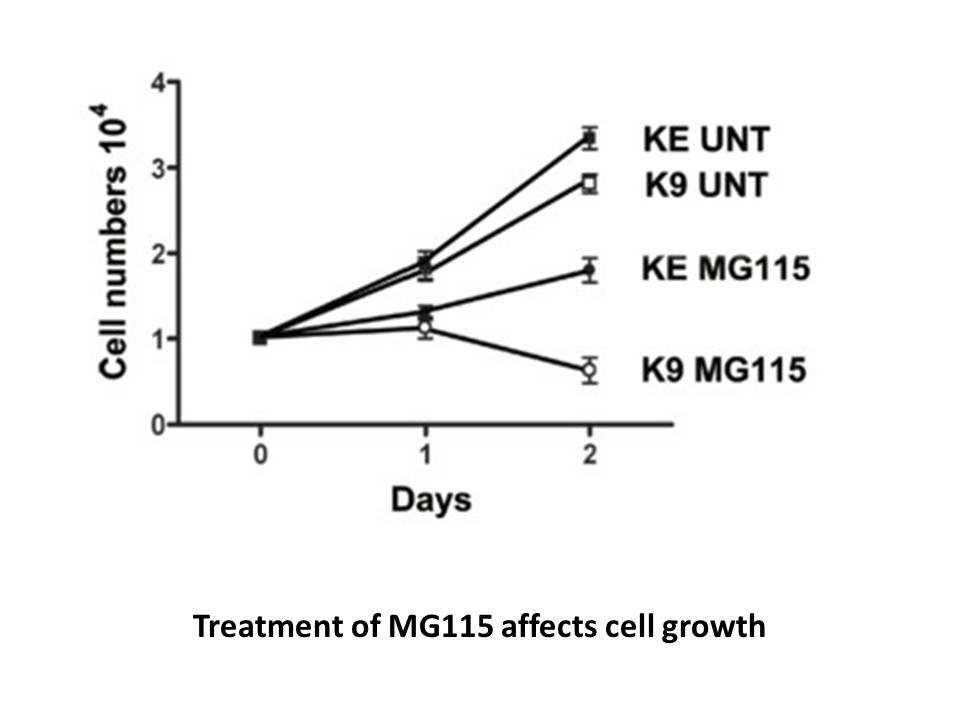
Finally, we show that the optimal corporate tax rate is strictly positive, balancing the increase in tax revenues against the loss in consumer surplus due to higher prices and fewer firms (products). This result is related to the well-known “excessive entry theorem” that shows, for a large class of
-
Based on the observation that
2024-05-21
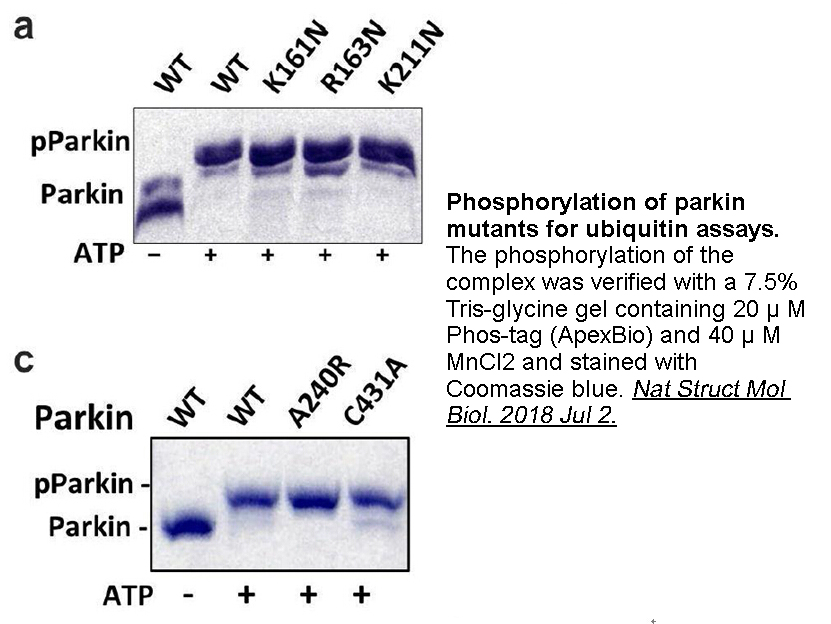
Based on the observation that antipsychotic drugs increase 5-HT1A–D2 heteromerization level (Łukasiewicz et al., 2016), we set out to compare the effect of paroxetine to that of risperidone. Paroxetine, a potent SSRI, is very effective in the treatment of depression and anxiety disorders, e.g., gene
-
Compounds are representatives of an array
2024-05-21
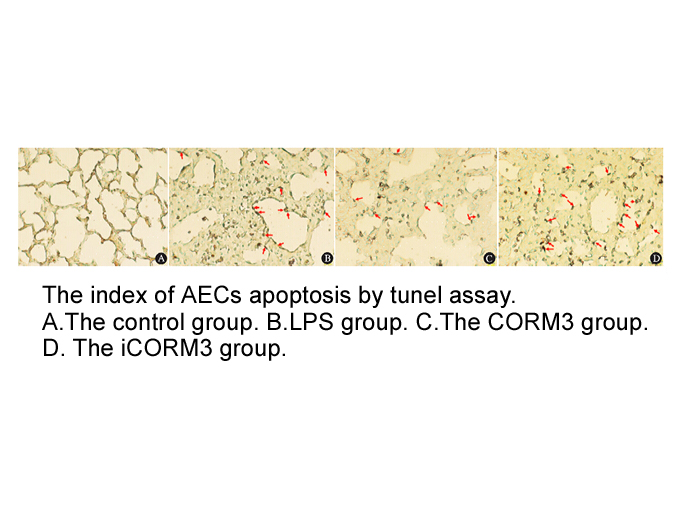
Compounds – are representatives of an array of MBG targets (, ) related to imidazole standard that were synthesized and initially tested in a rat CYP17 lyase screening assay (). The inhibitors were synthesized as racemates by coupling of 6,7-dimethoxy-naphthalene-2-isopropyl ketone with the requisi
-
Docking studies were performed on the selected compounds to
2024-05-21
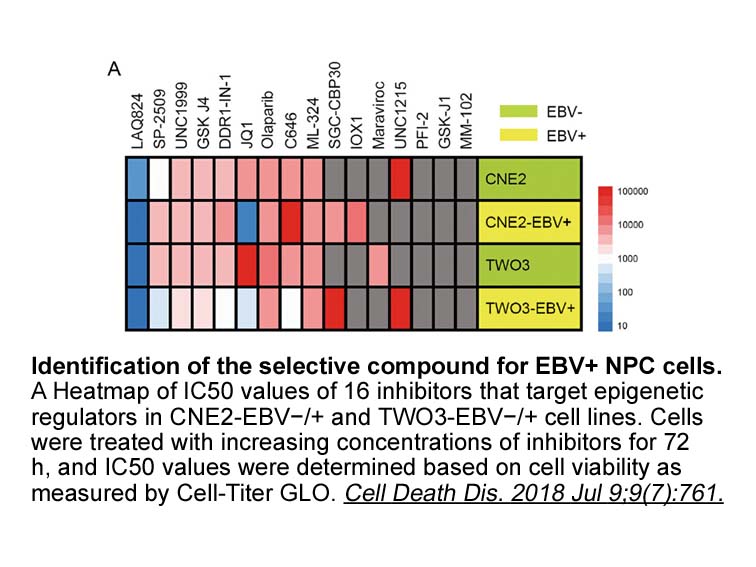
Docking studies were performed on the selected compounds to explore their binding patterns and to examine SAR in more detail. The co-crystal structure of ATX in complex with PF-8380 (PDB code: ) was selected for the docking studies due to structural similarity of the most potent compound with PF-83
-
Since innate immune responses represent the
2024-05-21
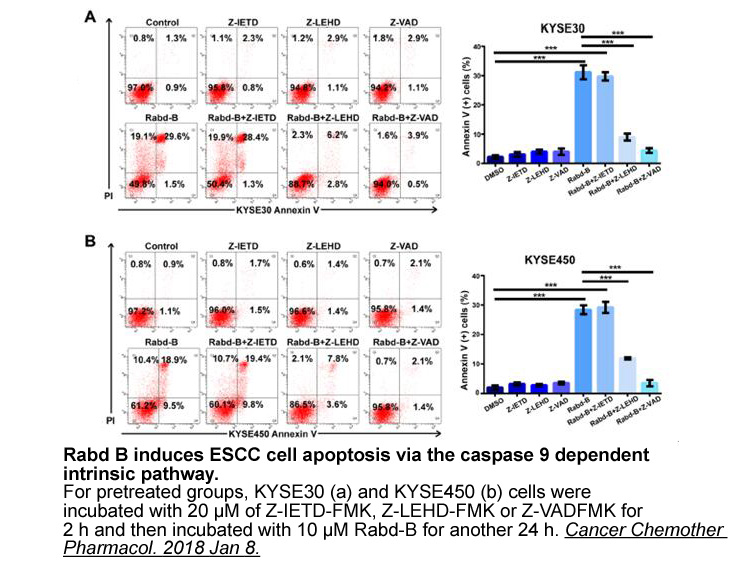
Since innate immune responses represent the first defense against incoming infectious microorganisms, they are particularly engaged during the early stages of viral infections. Many innate defense mechanisms rely on the engagement of pattern recognition receptors (PRRs) which are conserved, germ lin
-
br Introduction Melatonin N acetyl
2024-05-21
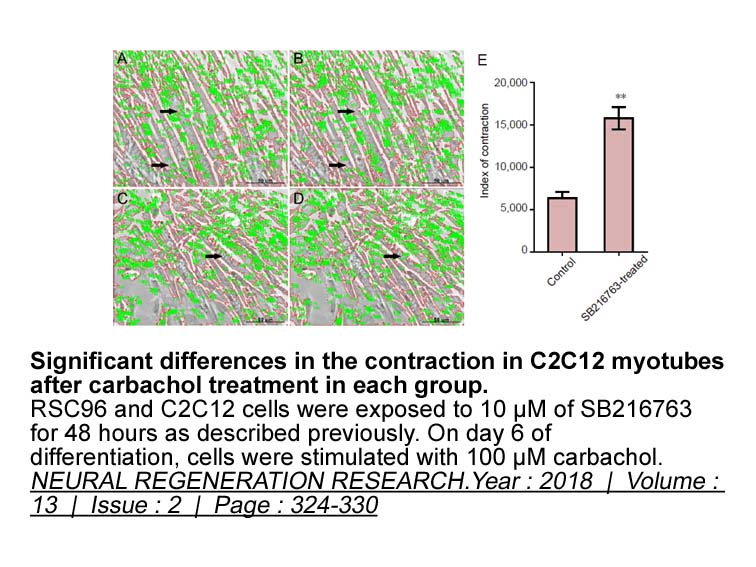
Introduction Melatonin (N-acetyl-5-methoxytryptamine) is a neurohormone which is mainly secreted from the pineal gland. Melatonin is a highly conserved molecule present not only in vertebrates but also in nonvertebrates such as bacteria, protists, fungi, macroalgae, and plants (Cecon et al., 2017
-
Most of lipid lowering agents have many therapeutic problems
2024-05-21
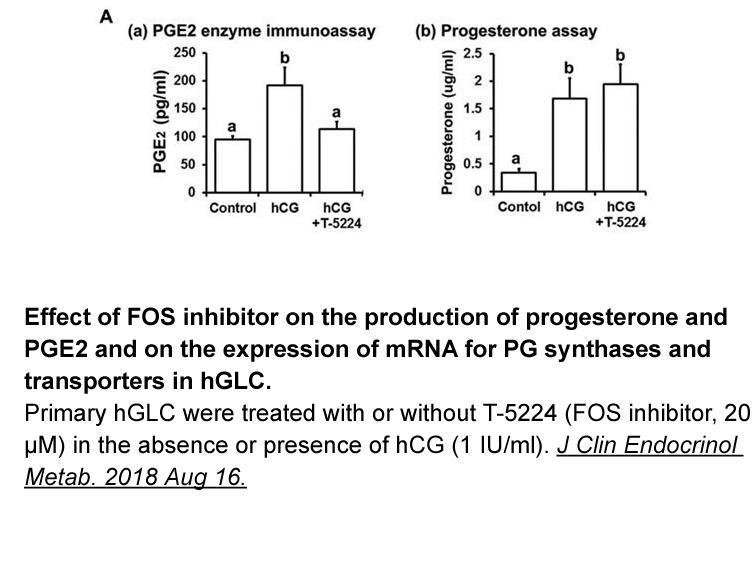
Most of lipid-lowering agents have many therapeutic problems with severe side effects, while dietary fibers as lipid lowering therapy are safer. Chitosan (CS) is a dietary fiber biodegradable, biocompatible and has many health benefits including wound healing, antiinflammatory, anti-cancers, immune-
-
To further evaluate the influence of antibiotics on
2024-05-21
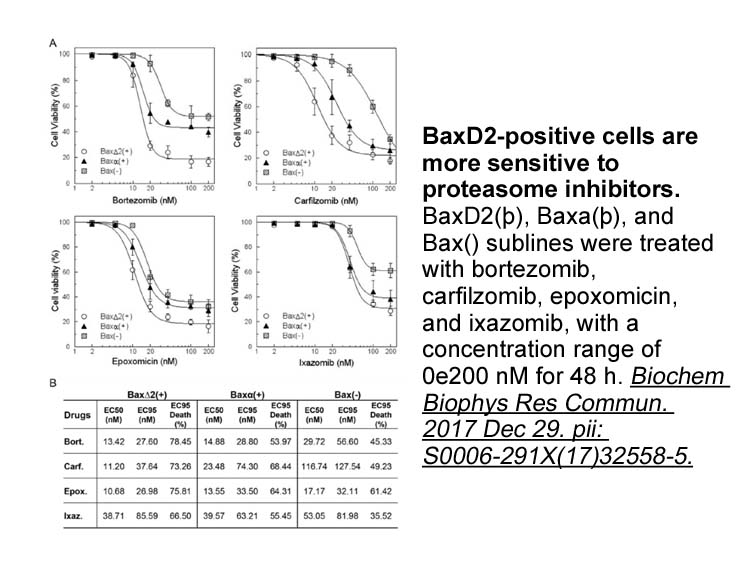
To further evaluate the influence of PhosTag on allergy, Russel et al. initiated vancomycin treatment during pregnancy in mice and continued it for several weeks after birth. This resulted in exaggerated OVA-induced allergic inflammation, characterized by higher numbers of lung eosinophils, elevate
-
Maynard et al demonstrated that serum levels of
2024-05-21
Maynard et al. [54] demonstrated that serum levels of sFlt-1 were five times higher in pregnant women with PE than in normotensive women; as a consequence, VEGF and PlGF levels were found to be proportionally reduced in these women [54]. The literature confirms that there is a sharp increase in sFlt
-
br Acknowledgments and Disclosures br
2024-05-21
Acknowledgments and Disclosures Alzheimer's disease as a synaptic pathology Alzheimer's disease (AD) is a chronic neurodegenerative colorimetric australia disorder and the most common cause of dementia in the elderly. Progressive depositions of amyloid plaques and neurofibrillary tangles toge
-
A unique finding in this study is
2024-05-21
A unique finding in this study is that 12/15-LO influences CREB phosphorylation in the murine brain. While previous reports have found that knockout of 5-lipoxygenase, a related enzyme that also uses arachidonic YC 1 for substrate, can regulate CREB phosphoryation in the context of Alzheimer's dise
7885 records 177/526 page Previous Next First page 上5页 176177178179180 下5页 Last page